Cold snaps don’t give warnings. One day the evenings are brisk, the next you are stacking kindling and dialing up the thermostat. Homes that slide into winter without a chimney inspection often find surprises the moment they need heat most. A flue cap shaken loose by wind. A bird nest jammed above the damper. A cracked liner turning a cozy fire into a smoke machine. After years of crawling roofs, brushing soot out of masonry, and troubleshooting downdrafts and odors, I can say this with confidence: a west inspection chimney sweep before winter is not a luxury. It is the difference between predictable comfort and costly chaos.
How chimneys really fail in winter
Fireplaces don’t just age. They absorb abuse in small, unglamorous ways. Freeze-thaw cycles widen hairline cracks. Wind-driven rain seeps into mortar joints and sills. Summer humidity condenses inside cooler flues and mixes with leftover soot, forming an acidic film that chews at metal and clay. Then the first weekend of December hits, the house is full of guests, and the flue is expected to run hot for hours. The weak points you never see suddenly matter.
In my ledger of service calls, pre-season issues fall into a few repeatable patterns. Caps go missing, leaving the flue open to water and animals. Brick crowns deteriorate, causing moisture to drip down the liner and stain walls. Dampers rust and stick from months of disuse. Gas fireplaces fail to ignite because spiders built webs in the orifices, or batteries in remote modules died unnoticed. If homeowners had scheduled a thorough chimney cleaning service and inspection in October, most of these would be footnotes rather than emergencies.
What a real inspection looks like
A proper inspection happens in stages, not as a cursory glance with a flashlight. For masonry chimneys, I start outside. I check the crown for cracks, the cap for correct mesh size and secure attachment, and the flashing for gaps. On the vertical walls, I look for spalling and step cracks. If you see efflorescence - that white, powdery residue - water is moving through the masonry, and that will only accelerate once weather swings.
Inside, I confirm that the hearth extension and surrounding finishes meet clearance standards. I test the damper and take moisture readings in suspect areas. With wood-burning systems, I run a camera up the flue. The lens reveals liner cracks too small for the naked eye, offsets where mortar protrudes, and glazed creosote deposits that a brush alone won’t handle. This is not showmanship. It is the only dependable way to know what you’re trusting to guard against a chimney fire.
Factory-built systems and gas appliances get a different treatment. With gas fireplaces and inserts, five minutes with a vacuum on the burner tray, a soft brush on the logs, and compressed air through the pilot orifice solves half of the winter no-ignite calls I see. I measure millivolts at the thermopile, check the regulator, confirm proper vent termination, and verify that the glass gasket is intact. Direct-vent systems succeed or fail on details like vent pitch and termination clearance. If the installer ignored the manual, a windy night will blow out the flame or cause lingering odor.
Cleaning is not one-size-fits-all
A chimney cleaning service has two goals: remove flammable deposits and restore reliable draft. With wood, the byproduct is creosote, and it doesn’t all look the same. Fluffy soot is the easy stuff. Brush it, vacuum it, gone. The trouble is the hard, shiny glaze that forms when wood smolders at low temperature, often from closed glass doors and barely open air controls. Glaze can be stubborn. You can chip it with chains on a rotary whip, or soften it with catalytic treatment before brushing. If you’re quoted the same price for a glazed liner and a once-a-season light sweep, be skeptical. The time and tooling differ.
Pellet stoves accumulate ash in angle joints of the vent and in the combustion chamber. I pull baffles, clean the vent to termination, and clear the fines box. Skipping those steps leaves you with a clean-looking stove that still throws error codes at 10 p.m. on the first cold night.
Oil and gas flues build a different residue. It is usually dry and less dramatic, but it is corrosive when mixed with moisture. I check draft at the breach and look for signs of backdrafting. No one wants a carbon monoxide alarm at midnight, and you avoid that with routine checks and an eye for venting physics.
The quiet dangers you don’t see
Soot and smell get attention. The quiet threats hide in plain sight. Liner gaps, even small ones, allow heat and exhaust to reach framing. If a wood fire sends embers up at 1,100 degrees and your liner fails at a clay joint two floors up, the heat reaches combustibles where you will never see it. A double-wall metal liner that has lost clearance to wood, often due to settling or a retrofit done too tight, is just as risky.
Carbon monoxide rarely announces itself with drama. Gas fireplaces, especially older vent-free units where allowed, can tip indoor air into an unsafe zone in a tightly sealed house. Direct-vent models are much safer, but a kinked gasket or misaligned glass panel compromises combustion air balance. You won’t always smell it. An inspection that includes combustion analysis and a verification of seals eliminates the guesswork.
Animals are another quiet hazard. Starlings and squirrels view unused flues as premium real estate. Their nesting material is dry, twiggy, and perfectly placed to catch embers. I’ve pulled five-gallon buckets of debris from one spring nest that would have choked draft and likely ignited. A proper cap with the right mesh size solves this for years.
Timing matters more than you think
The best time to schedule sweeps and chimney inspections is late summer through early fall. Schedules are lighter, the weather is predictable, and any repairs have time to cure. Masonry work needs dry days and mild temperatures to set properly. Crown rebuilds, tuckpointing, and flue relining all go smoother before the first freeze. If you wait until the week of Thanksgiving, you’re in a queue with everyone else who meant to call.
There is also an efficiency benefit. Chimneys that begin the season clean draft stronger, which helps wood fires burn hotter and cleaner. That reduces creosote formation from the start, and by midwinter you’re still enjoying bright flame instead of sticky buildup that darkens glass and smells sour.
Fireplaces that fit your life, not the other way around
Sometimes a chimney inspection reveals that the best answer is not repair but rethink. Old masonry fireplaces are charming, yet they sip room air, waste heat up the flue, and pull cold air from every gap in the home. If you love flame but want consistent heat, a fireplace insert earns its reputation. A properly sized fireplace insert transforms a drafty box into a controllable heat source.
I’ve installed both gas fireplace insert models and efficient wood units in 1940s bungalows and newer colonials. The gas option wins for convenience. Push a button, get flame, set a thermostat. Modern gas fireplaces and inserts have realistic logs, ember beds, and variable flame. The trade-off is fuel cost and a different kind of maintenance. Burner cleaning and vent checks replace chimney sweeping. For homes with access to natural gas, operating cost can be predictable, and backup battery modules keep you warm during power outages.
Wood inserts appeal to people who enjoy the ritual, have access to seasoned wood, and want serious heat during grid interruptions. They require a full stainless liner from top to appliance to meet code and draft right. Done incorrectly, you end up with smoke when you open the door and constant fiddling. Done correctly, you get eight-hour burns and a living room that stays warm even when the wind howls.
Electric fireplace inserts changed a lot in the past decade. Early versions felt like screen savers with a space heater. The newer electric fireplace inserts have better flame effects and produce steady supplemental heat for small rooms. If the chimney is in rough shape and you want ambience without combustion, electric is a dignified exit. It is not whole-house heat, but it is honest, simple, and safe in apartments or tight spaces.
What to expect from a West Inspection Chimney Sweep visit
A visit worth your time follows a clear arc. You’ll get a confirmation the day before, then a tech who respects your floors and furniture. Before tools come out, we talk about how you use the system: how often you burn, what fuel you use, whether you get smoke when lighting, any odor when it rains. These details guide the inspection.
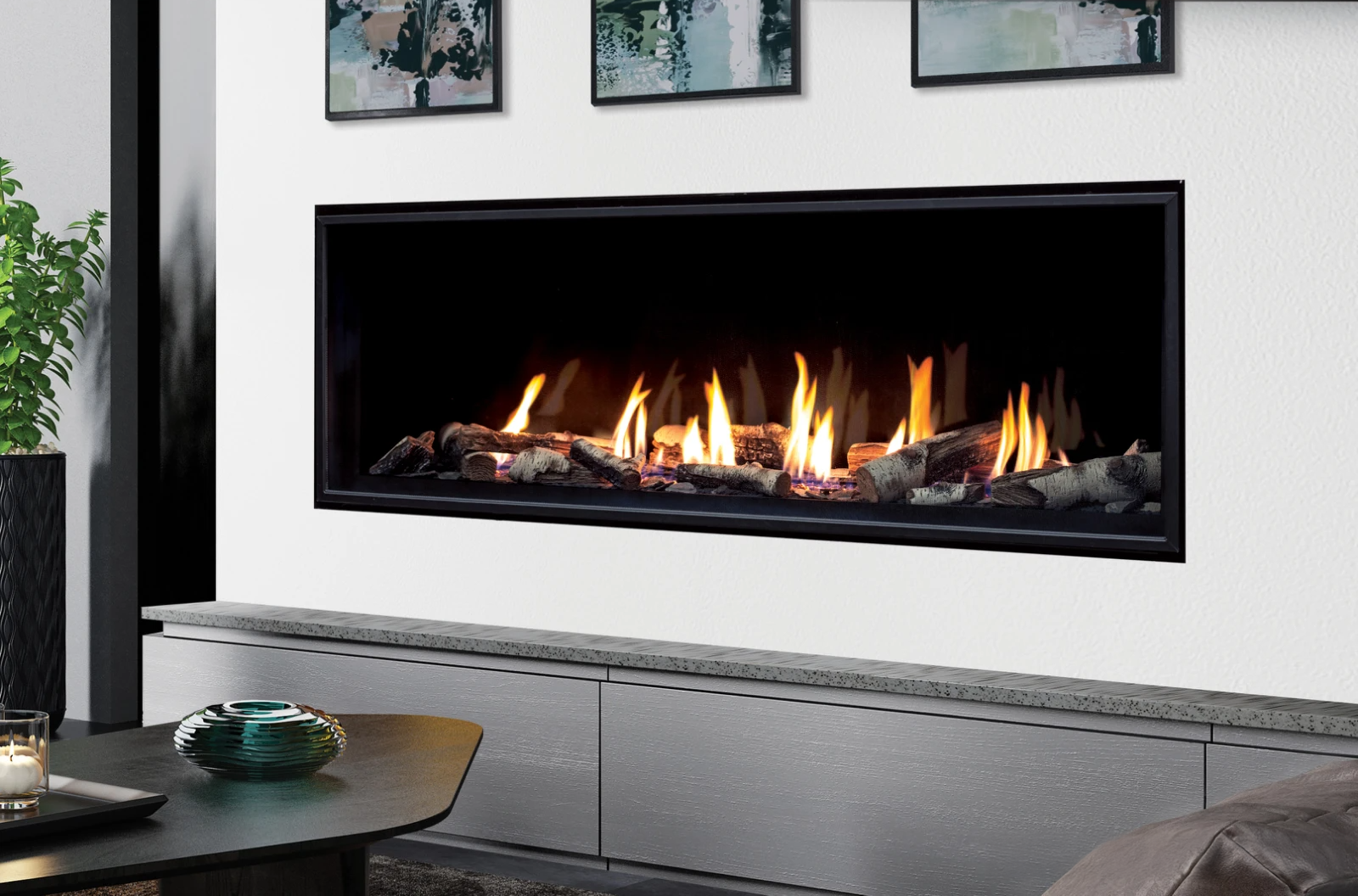
We set up clean containment around the firebox, run HEPA vacuums, and keep soot where it belongs. A camera inspection follows for most flues. If you have a gas fireplace, we remove the glass, gently clean the logs and burner, check the pilot assembly, and test ignition. With electric fireplace inserts, we inspect electrical supply and clearances, and verify the unit is seated correctly.
At the roof, we secure ladders properly and use fall protection where required. The cap, crown, and flashing receive attention. If the mortar crown is cracked, we’ll show you photos and explain whether it needs a sealant membrane or a rebuild. If the liner shows damage, we explain options and trade-offs, from spot repairs to full relining.
You should receive a written report with images, measured readings where relevant, and prioritized recommendations. A good report distinguishes between must-do safety items, near-term maintenance, and optional upgrades. That way you can budget intelligently rather than react under pressure.
Codes, clearances, and the logic behind them
Codes are not suggestions invented to make projects expensive. They exist because fire spreads along predictable paths and gases follow pressure. Clearances to combustibles are set by testing, not guesswork. I’ve seen mantels scorched from a gas fireplace set too deep into a surround, and TV cabinets warped where a wood insert’s convection jacket was missing a small baffle. That little strip of steel made the difference between comfortable and risky.
Venting requirements carry the same weight. A direct-vent gas fireplace needs the right termination location. If the outlet sits too close to a window, snow drift or wind can push exhaust back into the house. Wood stoves want a minimum chimney height to establish reliable draft, commonly expressed as the 3-2-10 rule. The rule is simple, but the rooflines and valleys around the chimney can complicate wind behavior. Inspections catch those conditions before they cause performance complaints.
Budgeting: where to spend and where to save
Homeowners ask whether they should reroute funds from maintenance to upgrades. My answer rarely changes: spend first on safety and durability. If the crown is failing and water is getting in, every other dollar bleeds away until that is fixed. If the clay liner has split and you use the fireplace routinely, a relining with stainless is not optional. Once the basics are sound, then choose your upgrades.
There are smart places to economize. If you burn wood occasionally, a basic chimney cap is fine, no need for decorative tops that are hard to service. If you plan to switch to a gas fireplace insert, skip expensive hearth rebuilds you’ll cover with a surround anyway. If you’re headed for an electric fireplace insert, consider a clean finish and accent lighting rather than structural changes.
Wood quality and how it rewrites the maintenance schedule
I can spot a home that burns green wood by the smell before I pull tools from the van. Unseasoned wood hisses, smokes, and coats the flue quickly. If you burn green wood, double your sweeping frequency. Better yet, buy mixed hardwood cut and split at least six months earlier, then store it off the ground with a top cover. Aim for moisture content at or below 20 percent. A thirty-dollar moisture meter pays for itself. Dry wood burns hotter, keeps glass cleaner, and cuts creosote formation in half.
For pellet users, brand and ash content matter. High-ash pellets demand more frequent cleaning. A weekly quick vacuum of the burn pot and a monthly vent check will add years to your igniter and reduce error codes that shut the stove down on cold nights.
Thinking about fireplace installation or replacement
If your inspection reveals structural issues, or you want better heat, planning a new fireplace installation in fall is strategic. Lead times bottleneck as winter approaches. For gas fireplaces, you’ll coordinate vent routing, gas supply sizing, and finishing. The cleanest installs are designed with the surround and clearances in mind from day one. If you retrofit a gas line after finishing, you’ll pay more for patching and repainting.
For a wood insert, invest in a stainless liner sized to the appliance. Do not let anyone “wish fit” a large insert to a small flue. You’ll fight smoke roll-out and poor performance forever. For electric fireplace inserts, check the circuit’s capacity. Many units need a dedicated 120-volt line for full heat output. A quick electrical check during inspection avoids nuisance breaker trips later.
Two quick checklists you can use today
- Look up: is your chimney cap present, intact, and secure? Open the damper: does it move freely and seal when closed? Shine a light: any cracking in the firebox, crown, or visible mortar? Test alarms: are smoke and carbon monoxide detectors working and within their service dates? Pilot check: for gas fireplaces, does the pilot stay lit and is the glass gasket intact? Schedule smarter: book chimney inspections for late summer or early fall. Photograph issues: ask for images of cracks, glaze, or corrosion. Prioritize repairs: address water entry and venting safety before cosmetic changes. Discuss usage: tell the tech how often and how you burn or run the unit. Plan upgrades: if moving to a fireplace insert, confirm liner and electrical or gas requirements early.
Regional quirks that matter out West
Coastal storms, mountain winds, and valley inversions make the western states a patchwork of venting realities. In marine climates, salt accelerates corrosion. Stainless caps and liners with higher alloy content pay for themselves. In high altitude areas, gas fireplaces need proper orifices and sometimes derating to maintain stable flame. Draft at altitude behaves differently, and undersized vents that worked in lowland installs can falter. In wildfire-prone zones, spark arrestor mesh and ember-resistant construction details shift from good practice to necessity. A west inspection chimney sweep who knows local conditions will catch these subtle, location-specific issues.
What failure feels like on a busy winter weekend
A story from a few seasons back sticks with me. A family scheduled their cleaning in March, then canceled because life got busy. They planned to reschedule in September. By the time they called, my calendar was three weeks out. The first cold weekend arrived, and they lit a generous first fire. Within thirty minutes, the smoke alarm shrieked. Creosote glazed over summer had warmed, smelled sharp, and then ignited in a small burst inside the liner. They didn’t lose their home, but the scare was real, and the liner didn’t survive. The cost to reline was several times what a summer cleaning and minor crown repair would have been. They learned the hard way that soot doesn’t wait for a convenient week, and neither should your maintenance.
Why a professional eye beats a quick DIY once-over
I respect a capable homeowner. Many keep their stoves tidy and their hearths spotless. But some hazards don’t announce themselves to a casual look. The early stages of liner failure look like fine lines, not gaps. A damper that seems functional may be misaligned enough to choke draft. Gas fireplaces that ignite but drop out after ten minutes often suffer from low millivolts, a diagnosis you won’t confirm without the https://martinlegu825.theburnward.com/are-gas-fireplaces-safe-what-every-homeowner-should-know right meter. A professional brings the right tools, from flue cameras to combustion analyzers, and knows the patterns that point to bigger problems.
There is also accountability. A documented inspection report gives you proof for insurance or real estate transactions. If you ever sell the home, a clear record of chimney inspections and service reads well and reduces surprises under contract.
Your next step
If you have not scheduled your west inspection chimney sweep yet, claim a date before temperatures dip for good. Ask for a scope that includes a camera inspection, a written report with photos, and, for gas units, a full service check. If you’re considering upgrades, discuss whether a gas fireplace insert, a high-efficiency wood insert, or an electric fireplace insert fits your space, budget, and heating goals. Decide with facts, not frustration.
Winter rewards preparation. A clean, sound chimney draws well, burns cleanly, and keeps the rest of your home free from soot and worry. Whether you favor the traditional snap and pop of hardwood, the push-button ease of gas fireplaces, or the simplicity of electric fireplace inserts, the path to a reliable season starts the same way: a thorough inspection and the right maintenance done before the calendar forces your hand.